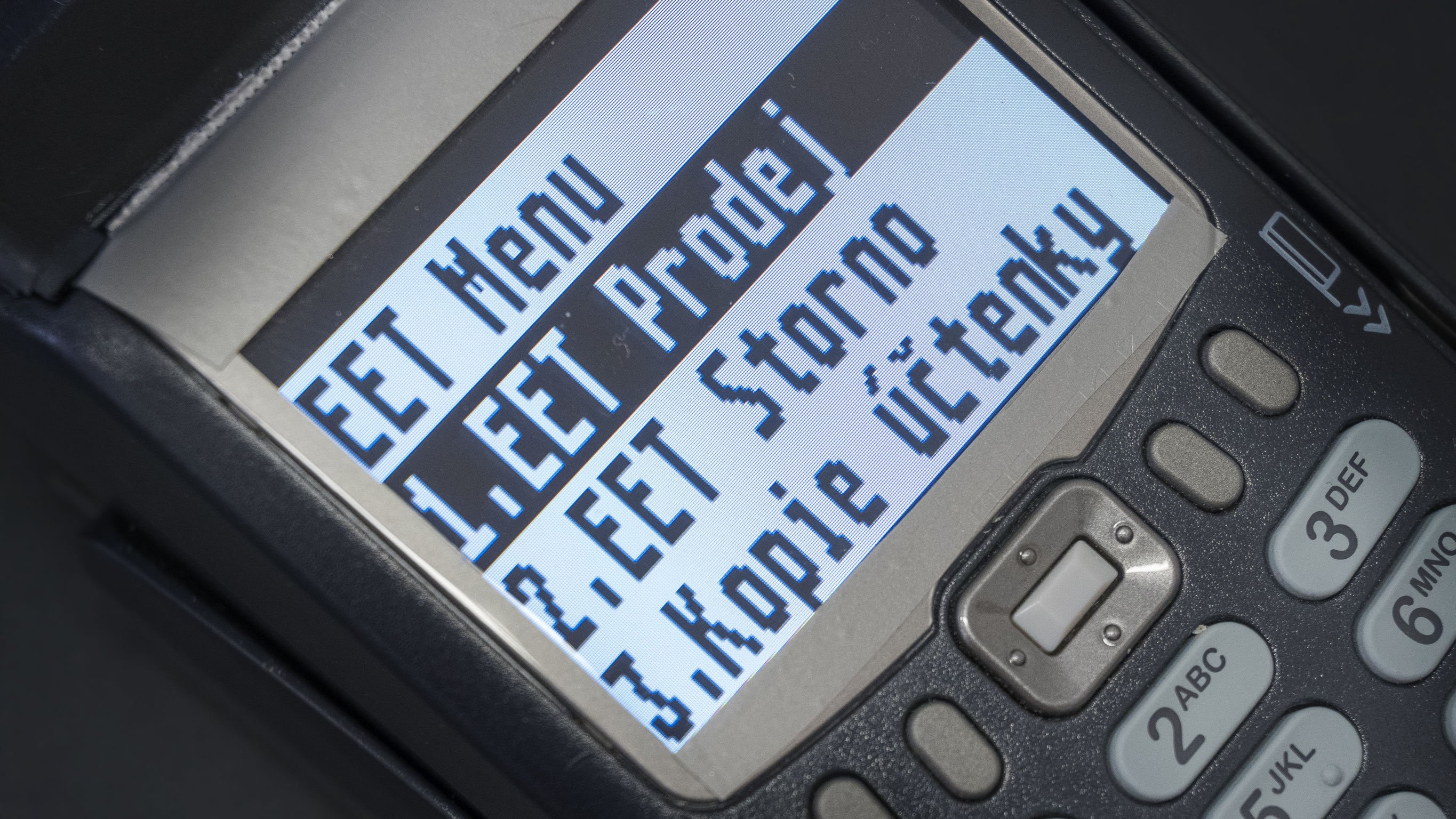
The Constitutional Court of the Czech Republic has reviewed the requirement on the constitutionality of the law on Electronic record of sales („zákon o EET”). The final decision of the court is that the law as a tool for regulating sales control is overall good. On the other hand, it has been concluded that there are some flaws in the law concerning the privacy of citizens and that attention must be paid to the content of the invoice that is a public document.
Read More›Fiji will soon join the growing number of countries that will start the fiscalization process, as of January 2018. Earlier in June this year, Regulation was officially published.
From January 1st 2018 all supermarkets and pharmacies will have to comply with the Regulation. Each sales point will be monitored by an EFD (Electronic Fiscal Device) that issues a digitally signed invoice and performs remote transfer to a dedicated tax administration server in Fiji. This invoice can be verified and stored on tax administration server in a digital form for an unlimited time.
The EFD under the Regulation must be accredited. Requirements for that are minimal and the time that developers have to fulfill in its adaptation is short, especially for the computerized POS developers. FRCS is inviting vendors to register and test their solutions with Tax Authority.
Read More›
With the desire to increase the popularity of electronic fiscal receipts, citizen survey was conducted in May this year with goal to assess citizen’s affection for the introduction of fiscal lottery. Three-fifth of citizens considered introducing fiscal receipt lottery as positive measure. A majority of the public (55%) is interested in joining a lottery. Senior citizens are more likely to participate (60%). The willingness to participate in a receipt lottery does not differ between men and women or between different educational groups.

Electronic record of sales (EET) in Czech Republic started with first group (hotels and restaurants) in December 2016 and continued with second group (retail and wholesale) in March 2017. Next two business groups will follow up from next year. According to the latest information by the end of August more than 2.5 billions receipts were issued from more than 155,000 taxpayers.
For more information about EET legislation visit our fiscal encyclopedia.
The Australian Tax Office announces its plan to protect honest businesses from tax evaders, especially focused on those advertised as “cash-only”.
Focus of the investigation is on those businesses who:
- operate and advertise as ‘cash-only’
- are part of an industry where cash payments are common
- indicate unrealistic income relative to the assets and lifestyle of the business and owner
- fail to register for GST or lodge activity statements or tax returns
- under-report transactions and income according to third-party data
- fail to pay employment duties
- operate outside the normal small business benchmarks for their industry
- were reported by the community as potential tax evasion.
This effort can support with evidence found that anti sales suppression system is necessary to be put in place in the near future.