Russia – online cash registers

Online cash registers - Putin

Back in 2016 we have announced that there will be transition to the new fiscal cash register system in Russia by mid-2017. Nowadays Russia is entering the second year of this project with large numbers. The online cash register system includes:

  • 2.400.000 fiscal cash registers,
  • 1.000.000 taxpayers, and
  • 120 million issued fiscal receipts per day.

These numbers will continue to increase. Fiscalization process is not completed. There are still several stages that will include new taxpayers who have not been included so far. The tax authority reports very good results of the fiscalization process which includes:

  • revenue per cash register is doubled,
  • number of involved taxpayers and cash registers has doubled, and
  • overall budget revenue has increased.
Read More

Slovakia: Virtual cash register – eKasa

TA slovakia

Slovakia has been using fiscal cash registers for many years. The number of users (taxpayers) of fiscal cash registers in Slovakia today is 233 thousand. All data from the sale recorded by FCR is stored in its physical fiscal memory, the old fashion way, in the form of Z-report (daily report). This model with physical fiscal memory and hardware security is prone to manipulation and many jurisdictions utilizing such systems in the world today are searching for a more modern and secure solution.

A few years ago, in Slovakia, an amendment to the FCR Law called VRP was introduced for small taxpayers. These online cash registers (virtual) served by the Tax Administration can only be used by the taxpayer who issues a maximum of 1,000 invoices per month. This service is free.

Read More

United Kingdom: ESS investigation by HMRC

bpanews_88c1b202-2df1-452d-b9c7-1773360a77c9_1

Since 2010 the government has secured and protected over £185 billion of tax that would otherwise have gone unpaid, and introduced over 100 measures to crack down further on avoidance, evasion, aggressive tax planning and unfair outcome

Budget 2018 has announced that the government will publish a call for evidence in relation to ESS. This means that HMRC are looking to update their methods of monitoring and taxing profits of businesses to ensure they keep pace with the evolving technologies taxpayers utilise.

Read More

Czech Republic: Elektronická evidence tržeb E-tržby

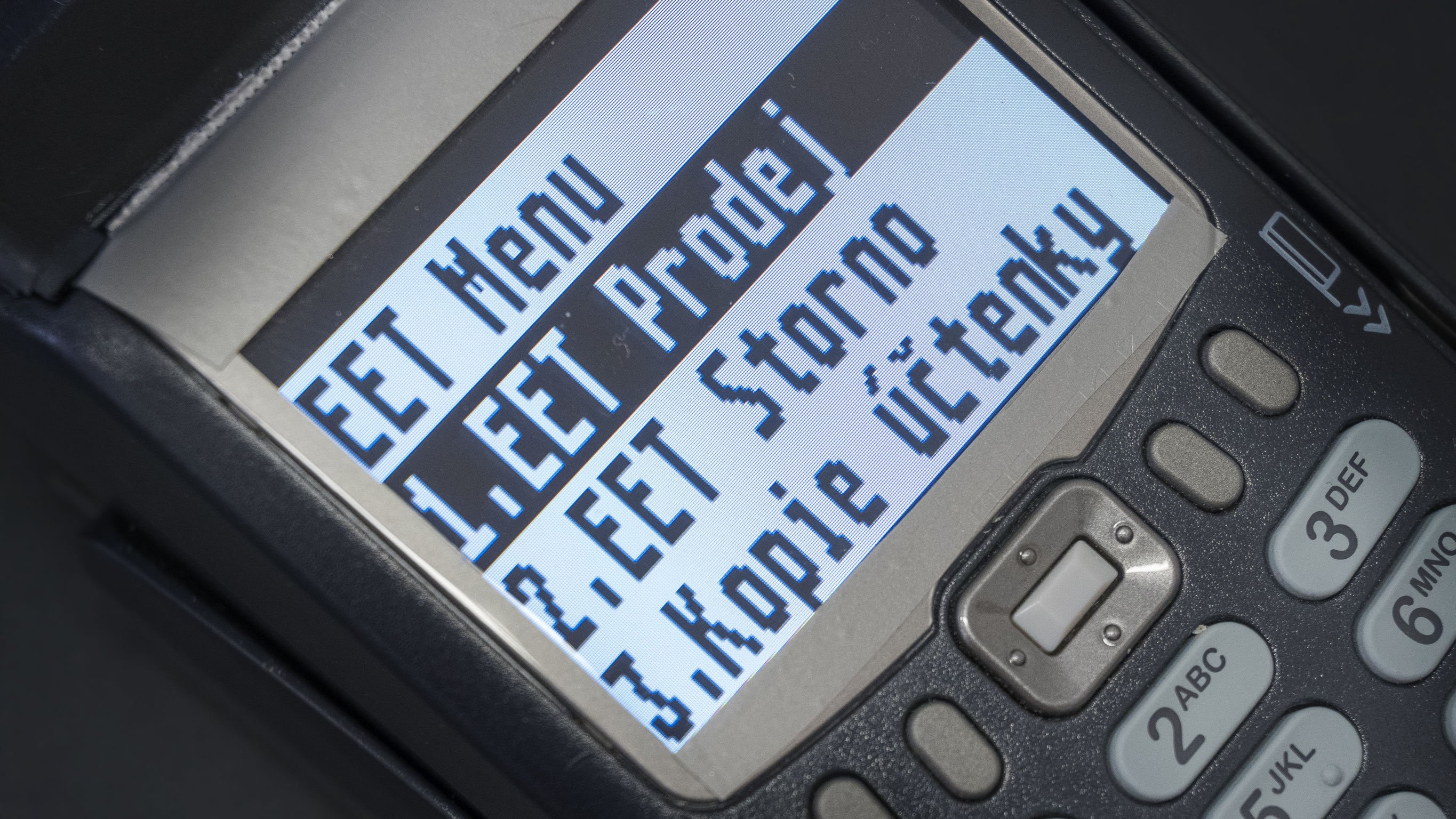
E-tržby - fiscal invoiceOne year ago Czech Republic introduced a modern online fiscal system (EET). The first two groups of taxpayers have been introduced (fiscalized) according to the original MOF plan. Third group was on hold as some members of the Parliament collected enough votes to stop implementation, challenging Government for invading privacy of taxpayers. The case was taken to the high court and after proceedings, some minor changes to the technical specification, implementation continues.

Read More

Tax on Plastic bags – saves the planet

Plastica bag slikaFiji: Plastic bag levy

Leading ecologists have been alerting for years the large presence of plastic waste in nature, especially in seas and oceans. Plastic waste, which is non-degradable in addition to disturbing the image of our environment, seriously threatens living beings on our planet.  The primary method for reducing plastic waste is in the recycling of plastics if possible. The second aspect of the fight against plastics is based on activities related to the reduction of its use.

Plastic bags make up a significant percentage of discarded plastics, in stores, plastic bags are used in huge amounts, especially because they are free. Many countries for a long time directly charge for plastic bags and the latest surveys in Europe show that the results of this measure are positive.

Fiji, as a small Pacific country endangered by plastic waste, has made a major step forward with its approach. A fixed tax on plastic bags in the amount of 20 Fiji cents per bag was introduced to the existing environmental tax law (Act No 20 Environmental Levy – 2015) in 2017 (Annex 29).

The money that this tax collects is aimed at just ecological fighting against plastic. Citizens and visitors of Fiji Islands every time paying this tax are reminiscent of the fact that the consumption of plastic bags should be rational. On the other hand, if they already must ask for the bag they are aware that they pay a special tax that will be used for ecological purposes.

Read More

POLAND: Fiscal memory goes online

Ministry of Finance - Poland2The long-announced modernization of the fiscal cash register system in Poland will begin this year. It will include all existing “first generation” fiscal cash registers. Since there are many taxpayers, the replacement will be organized in stages and will last for few years. The final list and user specification has not been completed yet, it is certain that there will be new amendments even after the fiscalization begins. According to some comments due to the incompleteness of the law, there is a danger that same user has to replace the cash register twice. The main novelties on which the modernization is based are: e-receipts, online data transfer to the tax administration server, archiving of receipt data in digital form and unification of the protocol between cash register and the payment terminal.  

Read More

ROMANIA: New Fiscal law in 2018 ?

ANAFWill Romania once again postpone the implementation of the Fiscal law annex (Ordinance 91/2014)? This week, National Council of Small and Medium Enterprises in Romania (CNIPMMR) filed a request to postpone the implementation foreseen for the period Jun-August 2018.

The request states that the proposed solution in the annex has been technologically overcome. They also say that the tax administration has not renewed its resources for a long time and that ANAF IT center should be modernized before the fiscal reform. It is emphasized that it is necessary to digitize all of Romania, including rural areas. Previous attempts have been canceled due to inappropriate infrastructure. It is better, they say, to postpone the process for a year or two and thus introduce a modern solution.

Read More

Croatia – 5th year into fiscalization

Croatia fiscalization: linic_cro_minister_finance.Croatia has entered year five of fiscalization. Former Minister of Finance Mr. Slavko Linic, who was a great advocate of the fiscalization process in Croatia, confirmed on TV news last month that fiscalization was one of the most successful projects of the history of Croatian tax administration. Despite the strong resistance from certain groups of taxpayers, the project succeeded. This fiscalization, now known as the “Croatian model”, originally adopted from Latin experience of e-invoicing (NFC-e), has served the tax administrations of Slovenia and the Czech Republic to develop their fiscalization processes.

Read More

Austrian RKSV (Registrierkassensicherheitsverordnung)

17.673.999Austrian Cash Register Security Regulation (RKSV) is currently in its second phase of implementation (phase one – 2016 obligation to have cash register, record transactions and issue receipts, phase two – 2017, the cash register must additionally be equipped with a technical security device).

Michael Engelbert, public manager in Austrian Ministry of Finance declared this month: ”Introduction of RKSV, started with outrages opposition, but after year and half merchants have settled, although they still say its a bad idea. We estimate that 85 percent of merchants already have a cash register and data security solution. Income is rising, currently very strong. Is it caused by economic growth or by reduction of the gray economy, it cannot be precisely determined. “

Financial police goes to routine checks examining if sellers are issuing genuine receipts. When inspector detects a violation of the law, he/she will report it to the financial administration and it will initiate the tax audit.

Read More

Czech Republic: Fiscalization in slow mode

main_orig

The Constitutional Court of the Czech Republic has reviewed the requirement on the constitutionality of the law on Electronic record of sales („zákon o EET”). The final decision of the court is that the law as a tool for regulating sales control is overall good. On the other hand, it has been concluded that there are some flaws in the law concerning the privacy of citizens and that attention must be paid to the content of the invoice that is a public document.

Read More